Code P1464 is a trouble code that shows up in many vehicles when the engine control module detects an issue with the evaporative emission control system. It’s not a problem you can ignore, but it’s also not something that should panic you about right away. Knowing what this code means helps you decide whether to fix it quickly or wait for a more convenient time.
What does code P1464 actually mean?
P1464 points to a fault in the purge control valve circuit. This valve controls how fuel vapors from the gas tank are sent back into the engine to be burned instead of released into the air. When the system senses a problem like the valve being stuck open, closed, or not responding properly it triggers this code.
If your car has this code, it usually means there’s a wiring issue, a faulty valve, or a vacuum leak in the EVAP system. The check engine light may come on, and you might notice a smell of gasoline around the vehicle, especially after refueling.
When would I see code P1464?
You’ll typically see this code during a routine scan at a mechanic shop, or when your car’s onboard diagnostics detect a failure. It often comes up if:
- You’ve recently refueled and noticed a strong fuel odor
- The check engine light turns on unexpectedly
- Your vehicle fails an emissions test
It doesn’t always mean something dramatic is wrong. Sometimes it’s just a loose connection or a minor leak that’s easy to fix.
How do mechanics diagnose P1464?
Diagnosing P1464 starts with checking the purge control valve and its wiring. Mechanics use a scan tool to monitor the valve’s operation and look for voltage signals. They’ll inspect hoses for cracks or disconnections and test for vacuum leaks. If the valve isn’t responding as expected, it could be stuck or damaged.
Some common fixes include replacing the purge valve, repairing broken wires, or sealing a leaking hose. These repairs are straightforward for most experienced technicians.
Common mistakes people make with P1464
One frequent error is ignoring the code because the car still runs fine. But even if the engine starts and drives normally, the issue can cause problems over time especially with emissions compliance. Some drivers try to clear the code without fixing the root cause, which only makes the light come back on later.
Another mistake is guessing the problem based on symptoms alone. A fuel smell doesn’t always mean the purge valve is bad. It could be a cracked fuel filler neck, a loose gas cap, or a different part in the EVAP system.
What should I do next?
If you’re seeing P1464, start by checking the gas cap. A loose or damaged cap is one of the easiest things to fix and can trigger this code. If the cap is tight and secure, take your car to a trusted mechanic who can run a proper diagnostic test.
For owners who want to understand their vehicle better, this guide explains the code in plain terms. For mechanics, there’s detailed insight into how the system works and how to troubleshoot it correctly in this resource.
Don’t delay if the code stays active. Even small issues in the EVAP system can lead to bigger problems down the road, including failed emissions tests or poor fuel efficiency.
Quick checklist before visiting a mechanic
- Check that the gas cap is tightened properly
- Look for any visible cracks or damage in EVAP hoses near the fuel tank
- Verify no fuel smell is coming from under the car after refueling
- Use a scan tool to confirm the code is still present
For those who enjoy design and typography, exploring creative fonts like font name can offer a refreshing break while waiting for a repair appointment.
 P1464 Code Significance for Car Owners
 P1464 Code Significance for Mechanics
 P1464 Code Significance and Diagnosis Tips
 P1464 Code Causes and Solutions
 P1464 Code Repair Instructions and Significance
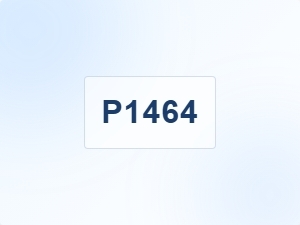 P1464 Diagnostic Trouble Code Explanation